
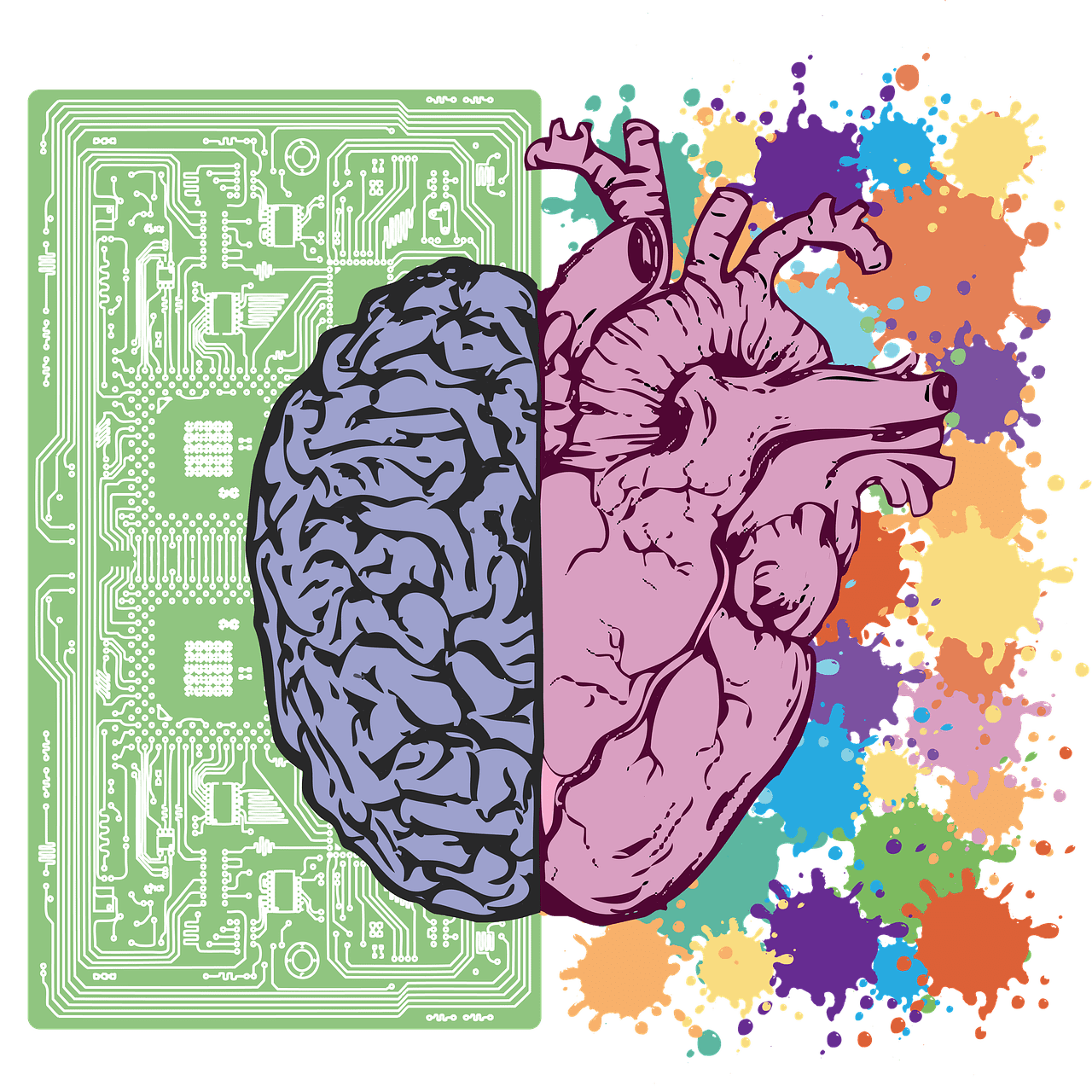
Over the past 15 years of Leverage to Lead, we’ve honed our thinking about what makes a values-aligned, human-centered leader. And lately, the state of political leadership and the rise of AI has got us thinking, “Why do we care so much about human-centered leadership?”
Why This Matters Now
Human-centered leadership development matters because an organization’s cultural health depends on it. This is true fiscally, systemically and experientially.
For leaders who care about the humans on their team, there’s a gap between how people want to lead and how they’ve been trained (or not) to lead. Some leaders even distance themselves from their power, afraid of becoming “that kind of boss.” Often these leaders are self-sacrificing too, taking on too much to protect their team. They become frustrated with the disconnect; it’s not getting them the results they’re looking for.
We are calling on leaders to become trustworthy stewards: people who hold power responsibly, build and maintain trust, and lead change with integrity. Trustworthy leadership begins with human intelligence. We define this as a blend of relational intelligence and critical thinking that allows leaders to shift their focus from doing to setting the direction.
Rethinking the Leadership Equation
Most leaders have been taught to lead by doing. We see it everywhere: endless meetings, urgent decisions, full calendars. Leadership becomes about action.
But human-centered leadership asks us to rebalance how we lead. Instead of 80% doing and 20% thinking, we teach leaders to lead with a 20/30/50 balance:
- 20% Doing: translating clarity into aligned action, leveraging tools like AI to create efficiency while building more time for relationship-building and critical thinking.
- 30% Relationship-Building: using Human-Centered Practices like deep listening, holding power responsibly and emotional awareness to build and sustain trust.
- 50% Critical Thinking: pausing, discerning, and making decisions grounded in core values that prioritize humanity alongside profitability.
Human Intelligence is Your Leadership Advantage
Leadership is not simply a role with greater responsibility or more doing. It’s a practice of reflection, relationship, and integrity. When leaders do the inner work and develop systemic awareness, they gain the clarity and connection that strengthen teams, sustain trust, and make humanity their greatest leadership advantage.