Creating an Equitable Compensation System

More than ever, values-driven employees are seeking organizations with cultures built on humanity, care, balance, transparency, and equity. A recent study showed that 85% of recent graduates say they are less likely to apply for a job that doesn’t disclose the salary range in the job posting.

Caring for employees’ humanity goes far beyond wellness and benefits. An organization’s very structures, systems, and practices are the foundations for equity.


Entrenched Inequity: Compensation

Despite nearly 100 years of federal attempts to achieve pay equity, including the Fair Labor Standards Act of 1938, the Equal Pay Act of 1963, the Family and Medical Leave Act of 1993, and more, we still do NOT have pay equity in our workplaces and culture. Federal laws have gaps and loopholes. States have taken to writing their own pay equity laws.

Employers can take the lead on pay equity and create workplaces where people thrive with psychological safety, high standards, and a transparent and equitable compensation system.

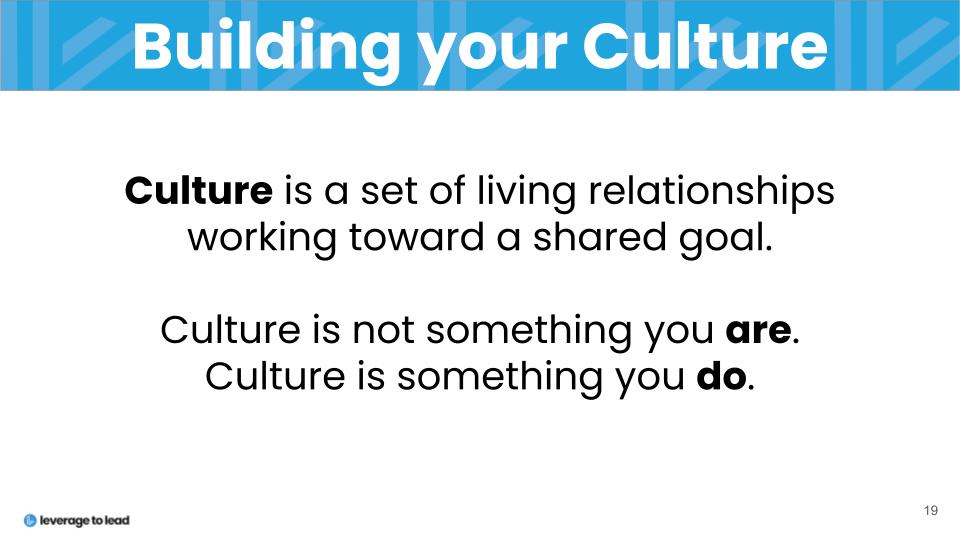
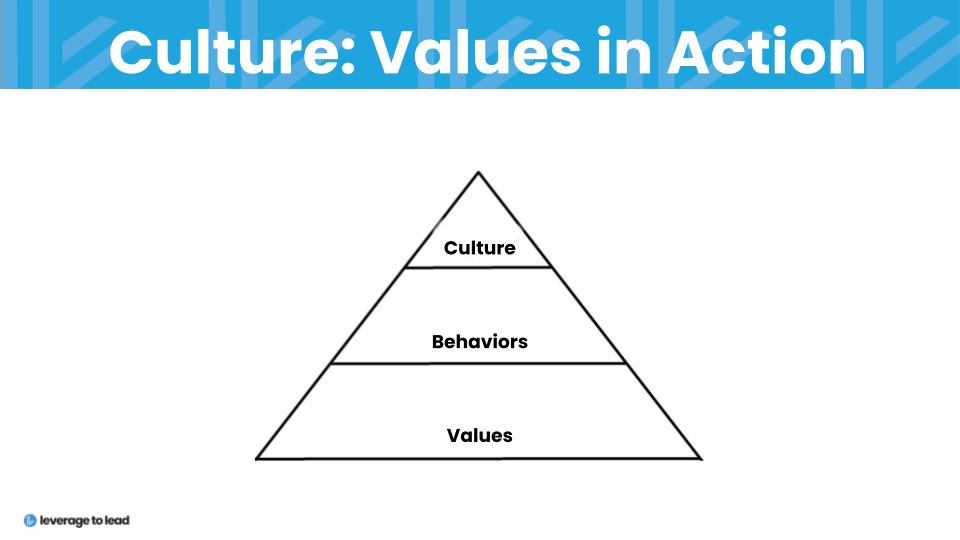
Pay equity is about more than matching salaries. Because compensation is a system and a philosophy rooted in your organization’s values. 

How can you get started?  

7 Steps to Pay Equity

Designed for C-Suite, HR, and Finance leaders, “Creating an Equitable Compensation System,” provides the context, shared vocabulary, human-centered philosophy, and concrete steps to create and execute a pay equity strategy.


Based on earnings data from the U.S. Census Bureau, at our current rates of improvement,

it will take over 200 years

until Black and Hispanic Women achieve pay equity with white male workers.

Program Highlights

    • 2-hour interactive and facilitated session
    • Virtual and in-person options available
    • Session can be presented over multiple meetings, with individual processing meetings between
    • Session can be integrated into a retreat, professional development, onboarding, or other training programs
    • Strategy and advisement meeting to tailor the presentation to your organization and team needs
    • 2 facilitators with decades of experience in equity-focused and human-centered finance and HR.
    • Options for ongoing support as you build your pay equity strategy
    HR Compensation Philosophy ()
    HR Compensation Philosophy ()

    Topics

      • Understanding the history and context of pay inequity
      • The financial and cultural impact of pay inequity in your organization
      • How to build pay equity into your culture
      • 7 steps to creating pay equity, including:
          • Identifying the components of pay equity
          • Understanding your employee population
          • Conducting a pay equity analysis
          • Examining and assessing your current compensation practices
          • Creating structures to support pay equity
          • Pay equity training for all employees
          • How to continuously monitor your structures and practices

    Ready to start building pay equity?

    Your Faciltators

    Leverage To Lead
    Leverage To Lead

    Dione Lee

    Chief Financial Officer

    Kim Ho

    Chief Human Resources & Impact Officer

    Read Our Articles on Equity & Company Culture

    Coalition in Action: Three Stories of Transformation

    In our last post, we explored why coalition is becoming essential for values-driven organizations. The systems that were supposed to support us are breaking down. Coalition is the infrastructure for what comes next. But what does coalition actually look like when...

    Coalition is the Path to Transforming Systems

    by: MJ Mathis We've been working with values-driven organizations since 2019, and here's what we've noticed: they were never set up for success. We work with a number of nonprofits. They exist because there's a need in society that isn't being met anywhere else....

    Coalition as Shared Practice

    by: MJ Mathis In our last post, we wrote about the relationship between sovereignty and interdependence, and why coalition can't be built on compelled participation or fear-based compliance. It has to be chosen. And that choosing requires a self that is grounded...

    When Throwing Money at It Isn’t an Option: The Case for Internal Coalition Building

    by: Jennifer McClanahan, CEO Early in my career at a large corporate law firm, I watched a pattern repeat itself with remarkable consistency. A big deal would heat up, the pressure would mount, and the answer was always the same: throw more people at it. Partners...

    Systems Shape Beliefs: How to Shift Organizational Culture from the Inside Out

    This is the third in a series of blog posts highlighting the importance of building our own values-aligned systems, especially when the systems we live and work within do not prioritize or support our humanity. "How you do the thing matters just as much as the thing...

    Building Systems that Support, Not Suppress, Our Humanity

    This is the second in a series of blog posts highlighting the importance of building our own values-aligned systems, especially when the systems we live and work within do not prioritize or support our humanity. "How you do the thing matters just as much as the thing...

    The Systems We Build Matter

    This is the first in a series of blog posts highlighting the importance of building our own values-aligned systems, especially when the systems we live and work within do not prioritize or support our humanity. "How you do the thing matters just as much as the thing...

    When the Room Gets Quiet: Leadership, Cringe, and Realignment

    Lately, we’ve been watching political and corporate leaders seemingly shift their values. Leaders who once committed to grappling with balancing employee support along with profit now seem to have publicly abandoned that commitment. Seeing this unfold in real time...

    The Structures of Leadership

    In many organizations, leadership is seen as a function rather than a structure—a set of roles rather than an essential system that holds the organization together. Leadership often emerges in reaction to problems, stepping in to resolve crises, drive decisions, and...

    The Role of Systems in Building Stability

    Leadership isn’t just about offering advice—it’s about creating the conditions for people to act on the advice they already have. The consulting world often suggests that better advice is the solution to every problem, but the truth is, advice unheeded is meaningless....